ZULU
The word Zulu means ‘Sky’. Welcome to the language of the skies!
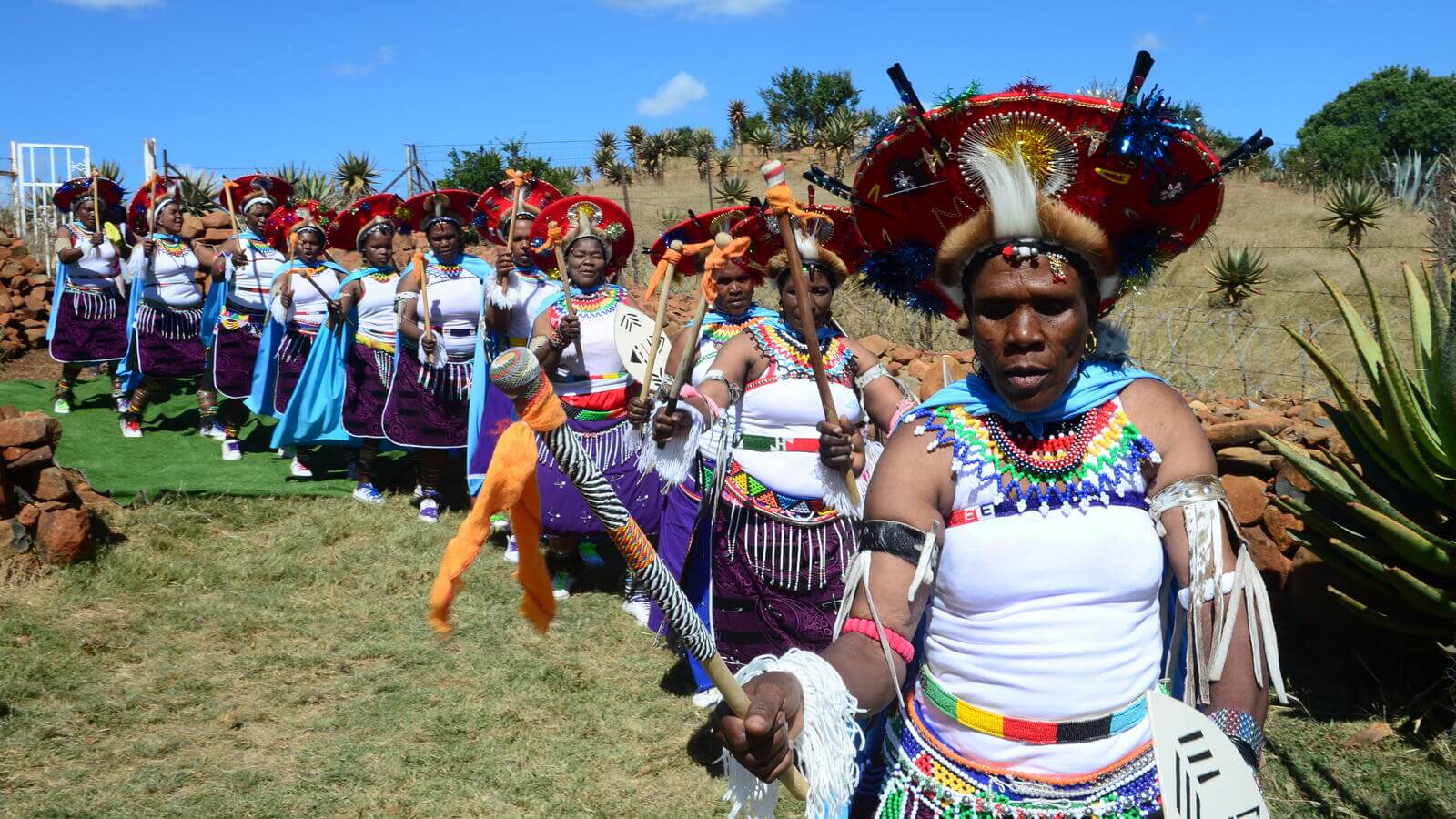
There are an estimated 12 million mother-tongue speakers of Zulu language in South Africa. With more than 50% of the South African population able to speak the language, this makes the Zulu people not only one of the largest ethnic groups in South Africa but in the Sub-Saharan half of the continent. Zulu people have emerged as the dominant ethnic group in South Africa today, as countless others speak it as a second language.
Study Zulu at Howard University!
Why Study Zulu?
Whether your interests lie in African studies, international affairs, public health, business, education, or cultural exchange, studying Zulu at Howard University equips you with valuable language skills, cultural knowledge, and global competencies that can enrich both your academic journey and professional future. A Zulu course at Howard University is more than learning a language. It is an opportunity to gain valuable professional skills, engage with one of Africa's most influential cultures, and develop a deeper understanding of the continent's linguistic and cultural diversity.
Practical and Professional Benefits
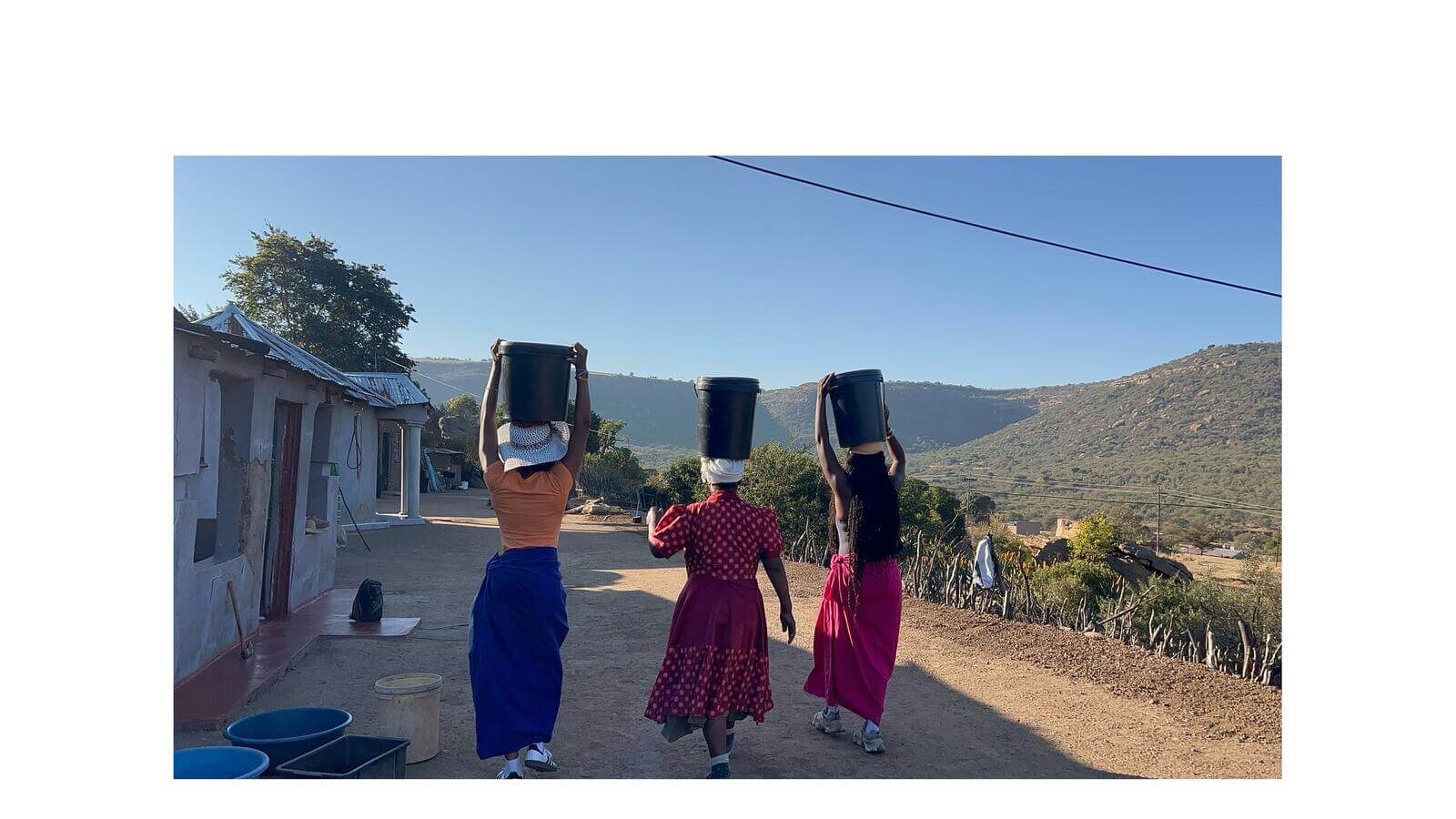
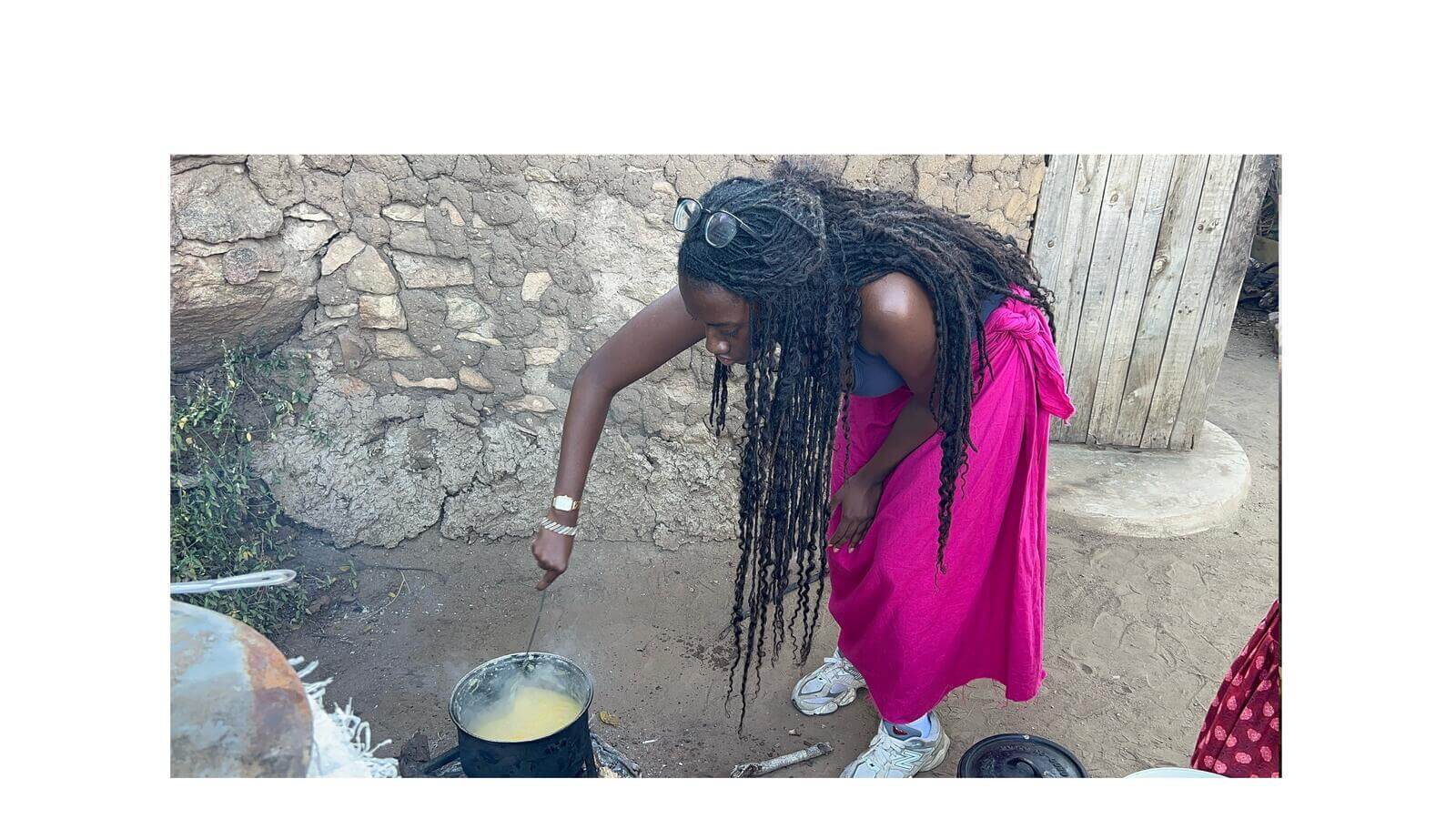
- Homestay experiences that foster language and cultural learning with Zulu-speaking families and communities
- Intensive Zulu language instruction and daily language practice.
- Visits to historical and cultural sites that deepen understanding of South Africa's heritage.
Cultural and Personal Growth
Studying Zulu equips students with language skills, cultural knowledge, and global competencies that are valuable in both academic and professional settings.
Zulu at Howard: Program Flyer
study_zulu_language_and_culture_at_howard_university.pdfZulu Offerings
| Course Code/Title | Description | Credits | Prerequisite |
|---|---|---|---|
| Zulu I | Learn basic words use straightforward phonetic pronunciation, greetings and introduction, and polite phrases easy to start using right away. | 3 | None |
| Zulu II | Building on daily Zulu conversations and simple interactions, expanding vocabulary and basic grammar structure. | 3 | Zulu I |
| Zulu III | At this level, the focus is on Reading for comprehension, Listening, and Speaking Proficiency. | 3 | Zulu II |
| Zulu IV | Enhance communication skills, basic cultural nuances in everyday interactions, including listening and speaking. | 3 | Zulu III |
| Oral Expressions I | Develop oral expression proficiency and ability to use isiZulu spontaneously, accurately, and culturally appropriately in real-life conversations. | 3 | Zulu IV |
| Oral Expressions II | Advance Zulu proficiency with cultural nuances and understanding. | 3 | Oral Expressions I |
| Intensive Grammar | Provides students with a rigorous and systematic examination of core grammatical structures in isiZulu, whilst strengthening their capacity to produce clear, accurate, and coherent written communication. | 3 | Zulu IV |
| Independent Study | Students explore topics of interest to expand their understanding of the language beyond structured classroom instruction and take ownership of their educational path by setting their own goals and monitoring their progress. | 3 | Zulu III |
| Zulu Literature | Focuses on oral traditions, poetry, modern novels, and drama written in isiZulu. It covers historical contexts, literary analysis, and cultural themes found in works by prominent South African authors. | 3 | Oral Expressions II |
| Course Code/Title | Description | Credits | Prerequisite |
|---|---|---|---|
| Sacred and Secular System of the Zulu People | Examines the interplay between religion, culture, and the spiritual world. | 3 | None |
| Zulu Urbanities | The course interrogates dance, fashion, film and music in Contemporary City Life. | 3 | None |
Study Abroad Information
Visit the Center for African Studies to Learn More about the Study Abroad OfferZULU PROGRAM AT HOWARD UNIVERSITY